10 Daily Habits That Are Damaging Your Hair (And What To Do Instead)
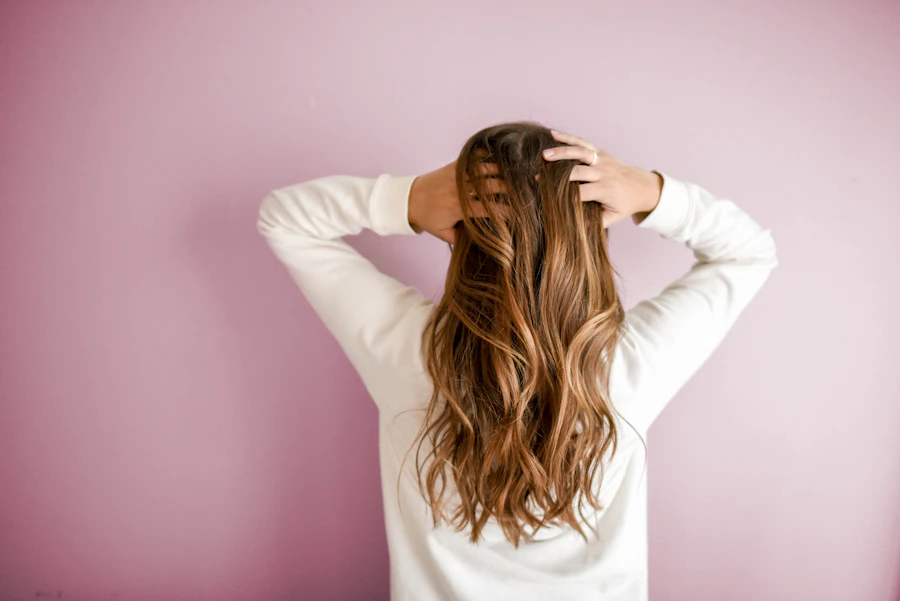
Great hair isn't just about what products you use — it's about the habits you build over time. Some of the most common daily routines are quietly causing cumulative damage that no single product can undo. Here's what to look out for.
1. Brushing wet hair aggressively
Hair is at its most vulnerable when it's wet. The keratin bonds soften with water, making strands much more likely to stretch and snap under tension. If you brush wet hair the same way you brush dry hair, you're causing micro-breakage with every stroke. Use a wide-tooth comb or a dedicated wet brush starting from the ends and working up — never root to tip.
2. Skipping heat protectant
Heat styling tools can reach temperatures between 300°F and 450°F. At those temperatures, unprotected hair literally has its protein structure degraded. A good heat protectant creates a barrier that distributes heat more evenly and reduces direct damage. Apply it to damp hair before any heat tool, every single time — no exceptions.
3. Washing every day
Daily washing strips your scalp of its natural oils (sebum), which triggers it to overproduce oil in compensation — creating a cycle that makes your hair greasy faster. Most hair types do well with 2–3 washes per week. If you exercise daily or have an oily scalp, a lightweight dry shampoo can extend your wash days significantly.
4. Tight elastics and hairstyles
Tension alopecia — hair loss caused by repeated traction — is far more common than most people realize. Tight ponytails, buns, braids, and extensions worn over long periods put chronic stress on the follicles, leading to miniaturization and eventually permanent thinning at the hairline and temples. Vary your styles, use satin scrunchies instead of rubber bands, and give your hair rest days.
5. Towel-drying roughly
The friction from a regular terrycloth towel creates frizz and mechanical damage. Swap to a microfiber towel or a soft cotton T-shirt and use a scrunching or pressing motion instead of rubbing. Your hair's cuticle will thank you immediately — smoother, less frizzy, shinier.
6. Using the wrong water temperature
Hot water opens the hair cuticle, which sounds like it would make conditioner penetrate better — but it also strips color and natural oils faster. Finish every wash with a cool rinse to seal the cuticle and lock in moisture. The difference in shine is noticeable from the first wash.
7. Ignoring your scalp
Your scalp is the foundation of healthy hair. Product buildup, dandruff, and poor circulation at the scalp all affect the health of new growth. Gentle scalp massages with your fingertips (not nails) for even two minutes while shampooing can improve circulation. A scalp exfoliant once a month removes buildup that regular shampoo misses.
8. Sleeping on cotton pillowcases
Cotton absorbs moisture and creates friction as you shift during sleep. Upgrade to silk or satin pillowcases to reduce breakage and preserve your style overnight. If that's not feasible, loosely braiding your hair before bed reduces tangles and friction significantly.
9. Overusing clarifying shampoos
Clarifying shampoos are powerful — designed to strip buildup — but used too frequently, they deplete the natural oils that keep your strands supple. Reserve them for once every two to four weeks. If you find yourself needing clarifying shampoo weekly, the real problem is product selection, not frequency.
10. Going too long between trims
Split ends don't stay split — they travel up the shaft, causing progressively more damage the longer they're left. A trim every 8–12 weeks removes the damaged ends before they can split further, keeping your hair healthier, longer-term. Paradoxically, regular trimming often helps you retain more length because you're not losing inches to irreversible damage.
Book a consultation
If you're dealing with damage or want to build a healthier hair routine, our stylists offer personalized consultations. Let's talk about what your hair actually needs.
Book an Appointment →